
The gear that actually matters
This page contains Amazon affiliate links: as an Amazon Associate, the publisher earns from qualifying purchases. Clicks are counted anonymously (category and language, nothing else). No specific product is recommended: links open a search. Compare for yourself.
Shoes: the one item you don't compromise on
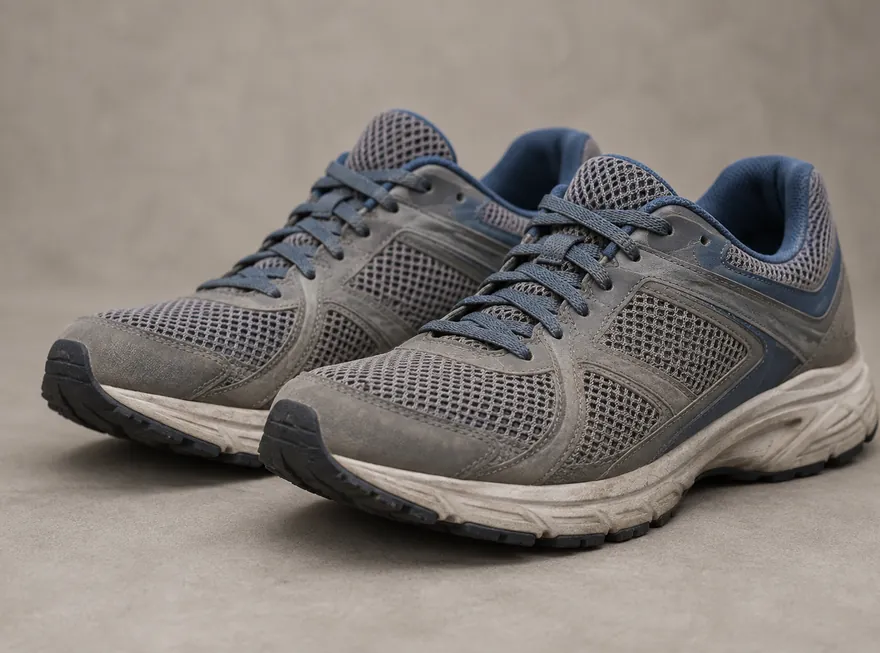
They absorb every stride of your plan. What matters: immediate comfort (a shoe that needs "breaking in" is a myth), intended use (daily training ≠ race day) and mileage. Shoes are often said to last 500 to 800 km depending on the model and the runner. If you're following a marathon plan, one sturdy training pair is plenty to start with; only buy a second pair if your volume justifies it.
GPS watch: run your paces, don't guess them
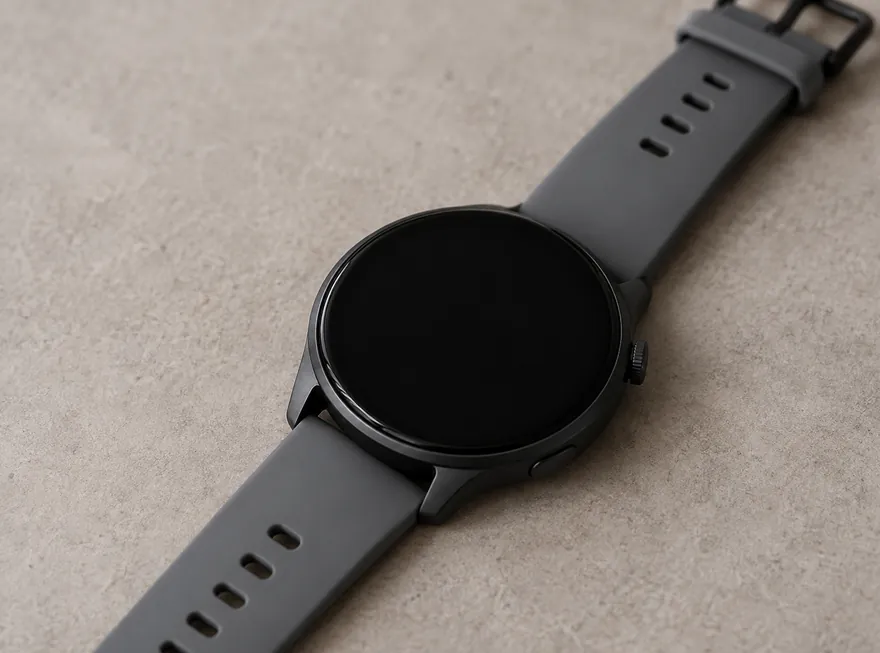
The whole PacePlotter plan relies on precise paces — an entry-level GPS watch is enough to hold them: live pace, zone alerts, auto laps. High-end models add maps and coaching, but none of that is needed to follow your plan. Free alternative: your phone in an armband plus the printed pace band.
Hydration: essential beyond one hour
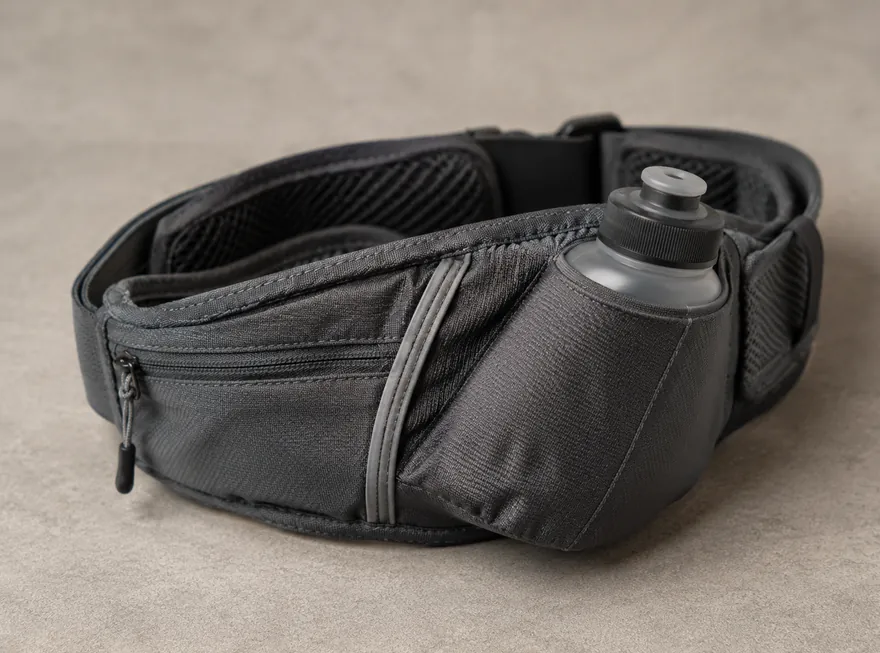
For your plan's long runs (half and marathon especially), you need to practise drinking while running: that's part of the plan, not a luxury. Bottle belt or vest is personal preference: test it on a recovery week, never something new on race day.
Socks: the cheapest blister prevention there is
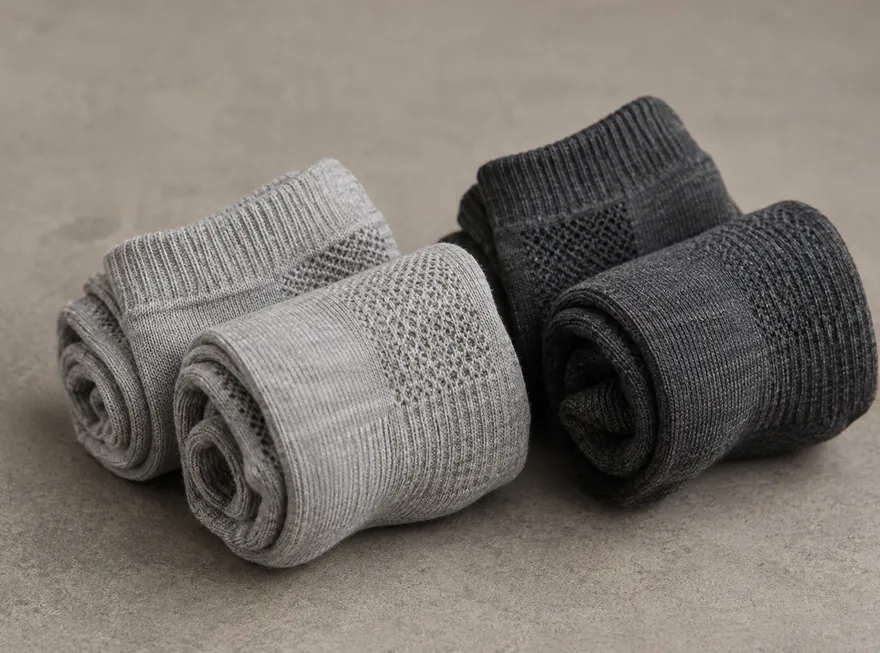
Technical running socks (seamless, breathable) eliminate most blisters. That's the small thing that ruins a training block. Best benefit-to-price ratio on this page.
Recovery: the foam roller
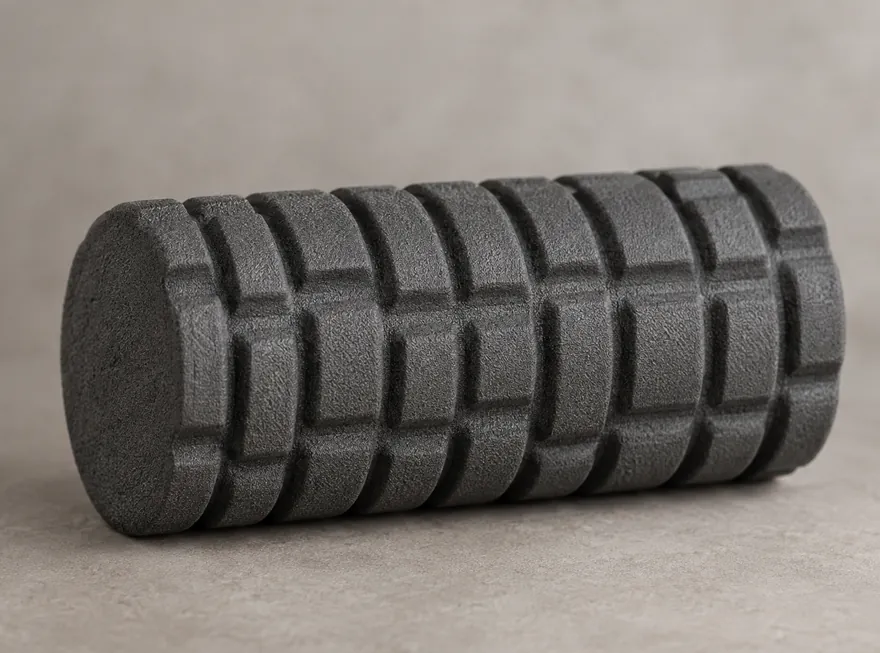
A foam roller after quality sessions and long runs helps many runners keep their legs fresh for the next session. Ten minutes is enough: calves, quads, hamstrings.
What you do NOT need
"Miracle" insoles, compression bands with vague promises, e-stim gadgets for beginners: none of it will hold a pace for you. The plan, consistency and sleep do 95% of the work.